
Strengthening Women Economic Justice in West and Central Africa: Dataphyte Foundation and Christian Aid Hold Inception Workshop
Published on October 14, 2026
Across West and Central Africa, rising debt obligations and fiscal pressures are placing increasing demands on government resources, affecting spending on healthcare, education and other essential services. Women, particularly those in informal and vulnerable employment, face additional economic challenges yet remain underrepresented in decision making on taxation, public spending and other fiscal policies that affect their lives. Addressing these challenges requires credible evidence that captures people's economic experiences and informs more inclusive and accountable policies.
To advance this effort, Dataphyte Foundation, in partnership with the Christian Aid, is implementing a policy advocacy project themed “Mobilising Data for Economic Justice Advocacy and Reforms in West and Central Africa,” with focus in Nigeria, Sierra Leone, Burkina Faso, Burundi and the Democratic Republic of the Congo.
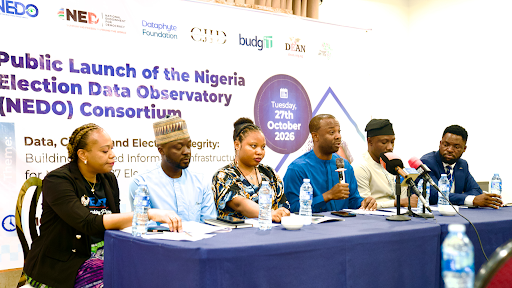
On 12 October 2026, the partners held an inception workshop commencing the beginning of the project and addressed implementation responsibilities, research priorities, stakeholder engagement and the regional advocacy strategy, including how evidence from the five countries can inform regional economic policy decisions.

He outlined the two-tier research approach, with Nigeria and Sierra Leone serving as the primary research countries, where citizen-generated evidence will be collected through surveys, interviews, and focus group discussions. In Burkina Faso, Burundi and the DRC, the research will rely mainly on existing evidence and remote interviews with relevant stakeholders.
Discussions also addressed the importance of engaging regional institutions and strengthening the participation of women-led organisations, civil society groups, media, and other underrepresented actors in economic policy processes. The programme seeks to ensure that research findings are used not only for regional advocacy but also by country partners to advance economic justice within their respective contexts.

Citation
Dataphyte Foundation (2026). “Strengthening Women Economic Justice in West and Central Africa: Dataphyte Foundation and Christian Aid Hold Inception Workshop.” Dataphyte Foundation. Available at: /uncategorized/strengthening-women-economic-justice-in-west-and-central-africa-dataphyte-foundation-and-christian-aid-hold-inception-workshop
Blog
Strengthening Women Economic Justice in West and Central Africa: Dataphyte Foundation and Christian Aid Hold Inception Workshop