Mapping Civil Society Actors in West Africa to Strengthen Electoral Integrity and Counter Disinformation
- Status
- Completed
- AIR approach
- Insight, Resourcing
- FRAME
- Representation and Governance
- Implemented in

What we’re doing
Dataphyte Foundation provided technical support to Fundación para la Internacionalización de las Administraciones Públicas (FIAP) under the EPSG Project: EU Support to ECOWAS in Peace, Security and Governance. This work focused on identifying and understanding key actors, especially civil society organisations (CSOs) working to prevent political violence and tackle disinformation in Nigeria, Benin, and The Gambia.
The project was designed to answer a simple but important question: who is doing the work to protect elections and public trust in information, and what do they need to be more effective?
To answer this, we carried out a large-scale mapping exercise that captured organisations working across areas such as fact-checking, media literacy, election monitoring, conflict prevention, and the use of data and technology in electoral processes. Beyond just listing these actors, the project aimed to understand their real challenges, including gaps in funding, tools, skills, and coordination. These insights were then used to develop practical recommendations to improve how these organisations operate and collaborate, especially during election periods when risks are highest.
A key part of this work was the development of an interactive digital platform. This platform serves as a live, user-friendly directory of organisations across the three countries. Users can easily search, filter, and explore organisations based on their location, focus area, or target groups. It also includes visual dashboards, maps, and charts that make it easier to understand patterns and trends. The platform was designed to be simple, secure, and accessible on everyday devices like mobile phones. It also allows new organisations to register, ensuring the database can grow over time and remain relevant.
In addition to the platform, we produced detailed mapping reports for each country (Nigeria, Benin, and The Gambia) as well as a broader regional report covering West Africa. These reports go beyond basic descriptions. They analyse trends, highlight gaps, and show how civil society, media, and other actors are responding to challenges like disinformation and electoral violence. The reports also draw connections between local realities and regional priorities, including recommendations from ECOWAS.
A strong focus of the analysis was on key thematic areas such as disinformation and artificial intelligence, election violence prevention, data use in elections, early warning systems, and the role of media and information access. Across all of this, gender and inclusion were carefully considered to ensure that the needs and contributions of different groups were not overlooked.
We also developed a needs assessment report that clearly outlines the most urgent challenges facing these actors. This includes gaps in capacity, limited access to tools and technology, and areas where technical support is needed. The report provides both country-specific and regional recommendations, along with clear pathways for strengthening electoral systems and supporting organisations working on the frontlines of democracy.
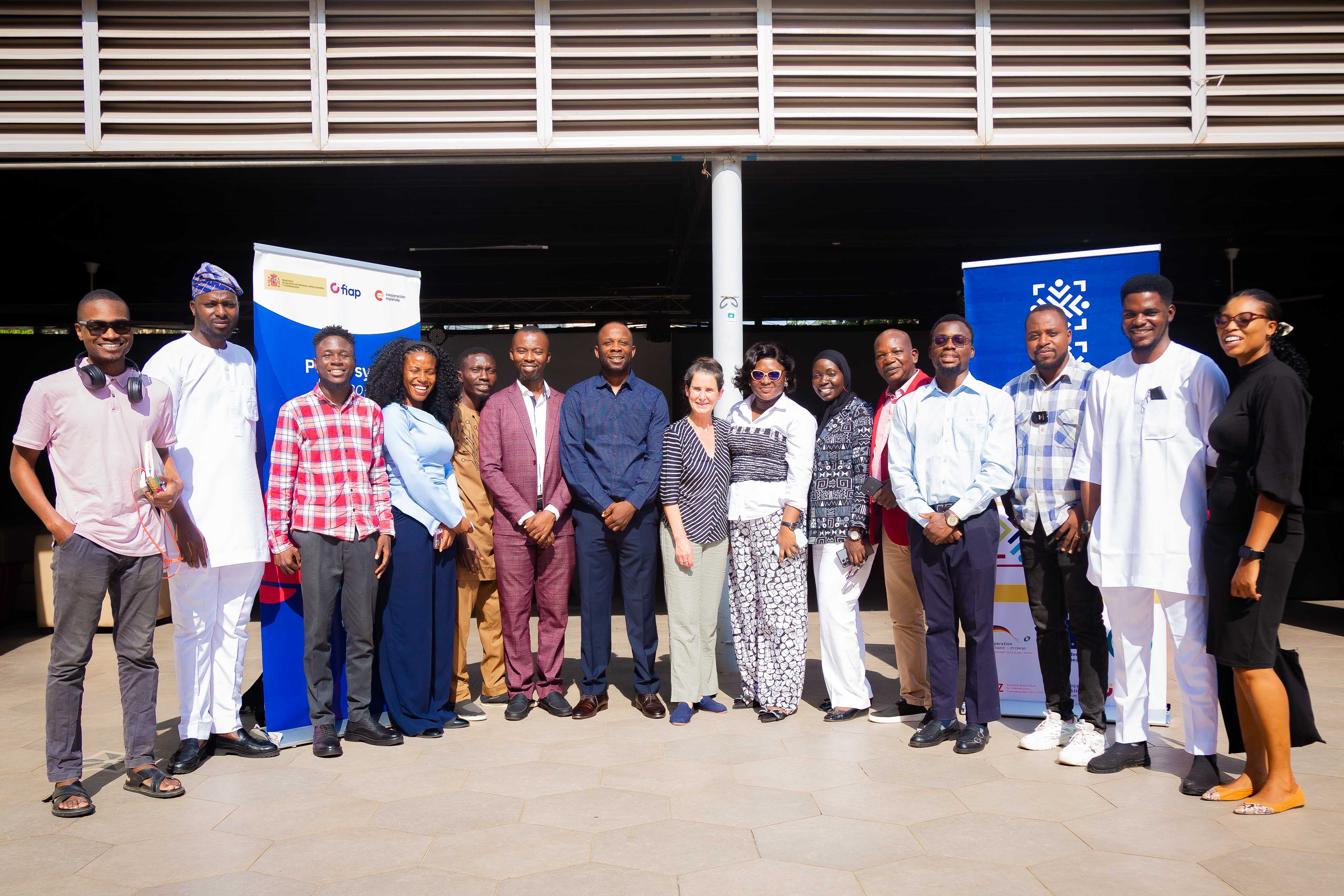
To ensure the findings were practical and widely accepted, we presented the platform and reports at validation workshops held at both country and regional levels. These sessions brought together key stakeholders to review the findings, share feedback, and help refine the final outputs. Their input was incorporated into a consolidated and validated set of reports and tools.
Overall, this project provides a strong foundation for improving how civil society organisations and media actors work to prevent electoral violence, combat disinformation, and support transparent and peaceful elections across West Africa. By combining data, technology, and on-the-ground insights, the work moves beyond theory and offers clear, actionable steps to strengthen democratic processes in the region.
Evidence that leads to action
Designed to create practical, accountable, and lasting public value.
Improved Visibility of Civil Society Actors
The project mapped and documented CSOs working on political violence prevention, disinformation, fact-checking, media literacy, election monitoring, and electoral data across Nigeria, Benin, and The Gambia, making their work and areas of expertise more visible.
Strengthened Understanding of CSO Needs and Gaps
The needs assessment identified key challenges facing civil society actors, including gaps in funding, technical capacity, skills, tools, technology, and coordination, providing an evidence base for targeted support.
Strengthened Coordination Among Electoral and Democracy Actors
By identifying organisations working across related thematic areas, the project created a clearer picture of the civil society ecosystem and opportunities for stronger collaboration, particularly during periods of heightened electoral risks.
Improved Access to Information on Democracy and Election Actors
The interactive digital platform provides a user-friendly, searchable directory of organisations across the three countries, enabling stakeholders to identify and connect with relevant actors based on location, thematic focus, and target groups.
Strengthened Evidence-Based Electoral Programming
The country and regional mapping reports generated evidence on trends, gaps, and responses related to disinformation, electoral violence, data use, early warning systems, media, and information access, supporting more informed programming and policy decisions.
Enhanced Capacity to Address Disinformation and Electoral Violence
The project identified specific areas where CSOs require additional technical support, particularly in emerging areas such as artificial intelligence and disinformation, election violence prevention, data use, and early warning systems.
Strengthened Regional Understanding of Electoral Challenges
By bringing together country-level findings from Nigeria, Benin, and The Gambia into a regional analysis, the project connected local realities with broader West African priorities and ECOWAS recommendations.
Promoted Gender and Social Inclusion in Electoral Programming
The mapping and analysis incorporated gender and inclusion considerations, helping ensure that the contributions and needs of different groups are reflected in efforts to strengthen peaceful and inclusive electoral processes.
Created a Sustainable and Updatable CSO Database
The platform was designed to allow organisations to register and update their information, creating a living resource that can remain relevant beyond the initial mapping exercise.
Strengthened Stakeholder Ownership of Project Findings
Country and regional validation workshops enabled CSOs and other stakeholders to review, challenge, and contribute to the findings, resulting in more robust and validated reports and tools.
In collaboration with
 Fundación para la Internacionalización de las Administraciones Públicas (FIAP)
Project moments


Let's build the next
project together
We're always looking to collaborate with governments, donors, civil society organisations, researchers, and innovators to create evidence-driven solutions for public good.
