Behind the Bytes: August 2025 Recap
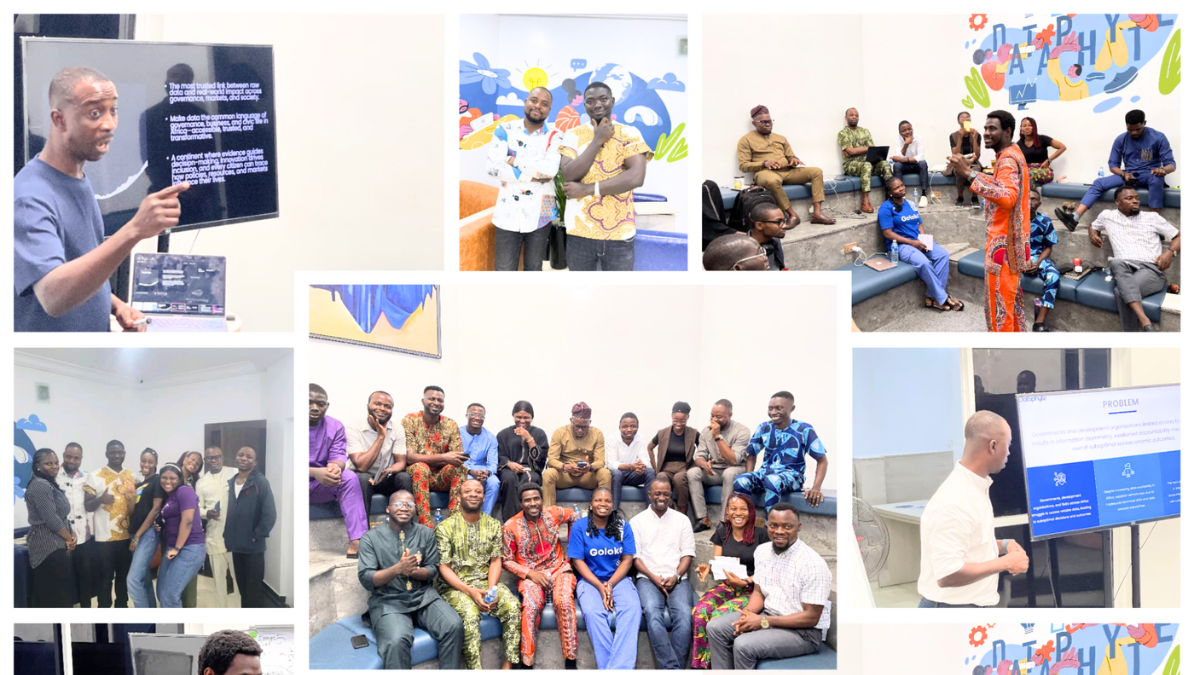
August was a month of reflection on what can be done better, on how to strengthen revenue, and on how data and evidence can guide policy and decision-making.
Through workshops, masterclasses, media engagements, and weekly insights, these questions kept resurfacing, reminding us that growth is always a process of learning, unlearning, and reimagining.
This edition of Behind the Bytes captures the work, the people, and the reflections that shaped August.
Product Day
August closed with a two-day in-house training (August 29–30, 2025), built on the belief that if those within are not learning, reflecting, and improving, the work outside cannot truly grow.

The sessions combined practical workshops with conversations on collaboration, project delivery, revenue generation, and innovation. Staff engaged with tools and shared learnings from different units, reinforcing the culture of continuous learning that underpins Dataphyte’s work.
It was both an investment in people and a reminder that growth begins within.
Masterclass on Digital Rights Reporting
On August 28, 2025, Dataphyte Foundation, in partnership with Spaces for Change, hosted a one-day Masterclass on Digital Rights Reporting with Abuja-based journalists (including freelancers), diving deep into how press freedom, privacy, and access to information play out in the digital age.

The speakers Kehinde Ogunyale, Lucy Okonkwo, Michael Itegbe, and Judith Chiamaka shared powerful insights on the state of press freedom in digital spaces, highlighting how laws can both safeguard and intimidate journalists, the delicate balance between opportunities and risks online, and the critical role of evidence-based reporting in documenting rights violations and demanding accountability.
For journalists, digital rights are not abstract principles but lived realities that shape their work, their safety, and the public’s access to truth.
At Dataphyte, we believe that equipping journalists with the knowledge, tools, and data to tell these stories is vital to protecting Nigeria’s digital civic space. We look forward to the impact the reporting from this training will have.
Biodiversity Reporting Capacity-building Workshop
On August 27, 2025, Dataphyte Foundation hosted the Biodiversity Reporting Capacity-Building Training, bringing together journalists committed to telling stories that go beyond the headlines.
The training stressed that data and storytelling must go together to drive real change. Speakers Dr. Stella Egbe, Kehinde Ogunyale, and Abdulkareem Mojeed guided fellows on linking biodiversity loss to daily life, grounding stories in data while centring human voices, using policy frameworks and SDGs to strengthen reporting, and focusing on solutions that inspire hope.

In Kehinde Ogunyale's words: “Data informs, but stories move.”
This training was about more than skills; it was about reimagining how we tell biodiversity stories that matter for Nigeria and the world.
At Dataphyte, this is what we mean by data for development: transforming numbers into narratives that protect ecosystems, inform stronger policies, and support the communities that depend on nature.
Dataphyte is proud of the fellows and looks forward to the powerful stories they will tell.
Data Story Lab 7.0
On August 30, 2025, Dataphyte hosted the seventh edition of its Data Story Lab series, a platform where participants learn to transform complex datasets into stories that capture public interest.
Building on the last session (6.0), this edition focused on practical approaches to analysing fiscal and governance datasets.

From driving accountability to crafting impactful stories and informing policy advocacy, the session equipped participants with tools to connect data to real-world impact.
External Engagements
Dataphyte’s Executive Director, Joshua Olufemi, joined Moneyline with Nancy for a live discussion on a critical topic: “From FAAC Funds to Impact: Allocation to Development.”

Every month, billions are distributed through FAAC, but how much of it truly translates into schools, hospitals, infrastructure, and services that improve lives?
At Dataphyte, we track this through our FAAC Dashboard, an open tool that shows how allocations flow across states and LGAs.
As you listen to the conversation, you can explore the Dataphyte’s FAAC dashboard here: https://bit.ly/FAAC-dashboard
AUGUST INSIGHTS
The Insights team kept its rhythm of weekly reports across governance, economy, education, health, and society. Through Pocket Science, SenorRita, Marina & Maitama, and Data Dive, August’s stories dug into Nigeria’s politics, economy, and social realities in ways that matter.
Pocket Science
Pocket Science examined the realities of Nigeria’s economy at the everyday level. The editions looked at how major mobile network operators keep competing with cheaper data plans, what it really costs to keep up in Tinubunomics, and how the promise of cheap goods affects living costs and buying power.
SenorRita
SenorRita spotlighted the realities of women’s rights and representation in Nigeria. It examined what everyday work looks like for most Nigerian women, highlighted how women are more likely than men to stigmatise survivors of certain diseases, and drew attention to the weaponisation of the internet against women through TFGBV.
Marina & Maitama
Marina & Maitama looked at the strength of Nigeria’s financial and economic sectors. The editions highlighted how Nigerian investors are driving domestic portfolio growth, with financial services taking the lead on the stock market. They also explored Nigeria’s GMO debate, unpacking the role of science and public trust in shaping the country’s agricultural future.
Data Dives
Data Dive focused on Nigeria’s political landscape. The aarticles looked at the ADC’s coalition gamble and what it could mean for the 2027 elections, the political contest in Rivers State, and the local government elections in Rivers, which raised questions about whether the results showed real power shifts or continued party loyalty.
Special Reports
Dataphyte’s Special Reports continued to spotlight pressing governance and development issues across Nigeria.
From the challenge of ensuring that clean water access is sustainable to exposing how Bayelsa communities live with the silent health and environmental toll of gas flaring, these reports connected policy gaps to everyday realities.
The reports also examined how restricted data access undermines accountability, why 90% of youth-led agribusinesses struggle to find financing, and how N4.48 trillion at the local government level remains underutilised despite autonomy promises.
Together, these insights illuminated Nigeria’s pressing challenges and pointed to pathways for reform, accountability, and progress.
Looking Ahead
From environmental stewardship to digital empowerment, from civic engagement to media literacy, August reminded us that the future depends on the stories we tell and the evidence we choose to act upon.
Thank you to everyone who shared space, knowledge, and commitment with Dataphyte this month.
September is already unfolding with new opportunities to gather data, tell stories, and build tools for a more inclusive and informed Nigeria.
Our Products
Dataphyte also develops and continually improves tools that transform raw data into actionable insights and real-world impact:
Goloka is a hyperlocal data collection and analytics platform that leverages artificial intelligence, mobile tools, geospatial tracking, and community-driven contributions to deliver fast, reliable, verified data for smarter decisions.
Nubia is an open-source AI assistant that helps researchers, media organisations, and civic actors interpret large, messy datasets, be it on policy, trade, or environmental shifts into story-ready insights.
These innovations are part of Dataphyte’s bigger mission: to make data not just available, but actionable.
Stay Connected
Want to learn more about our work?
Visit our website to explore our latest insights and initiatives.
Behind The Bytes – Bridging Data, Media, and Civic Engagement
Next issue