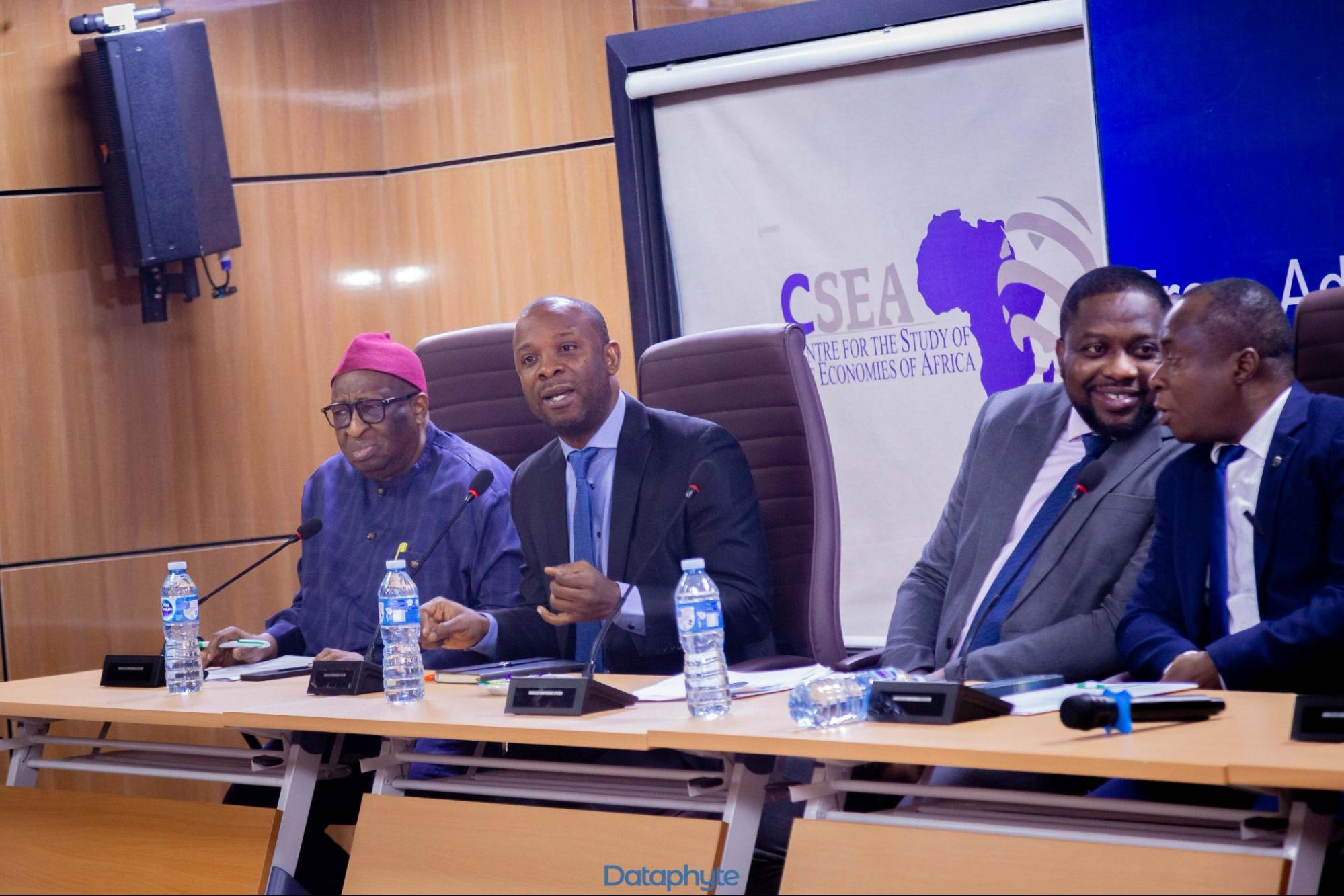
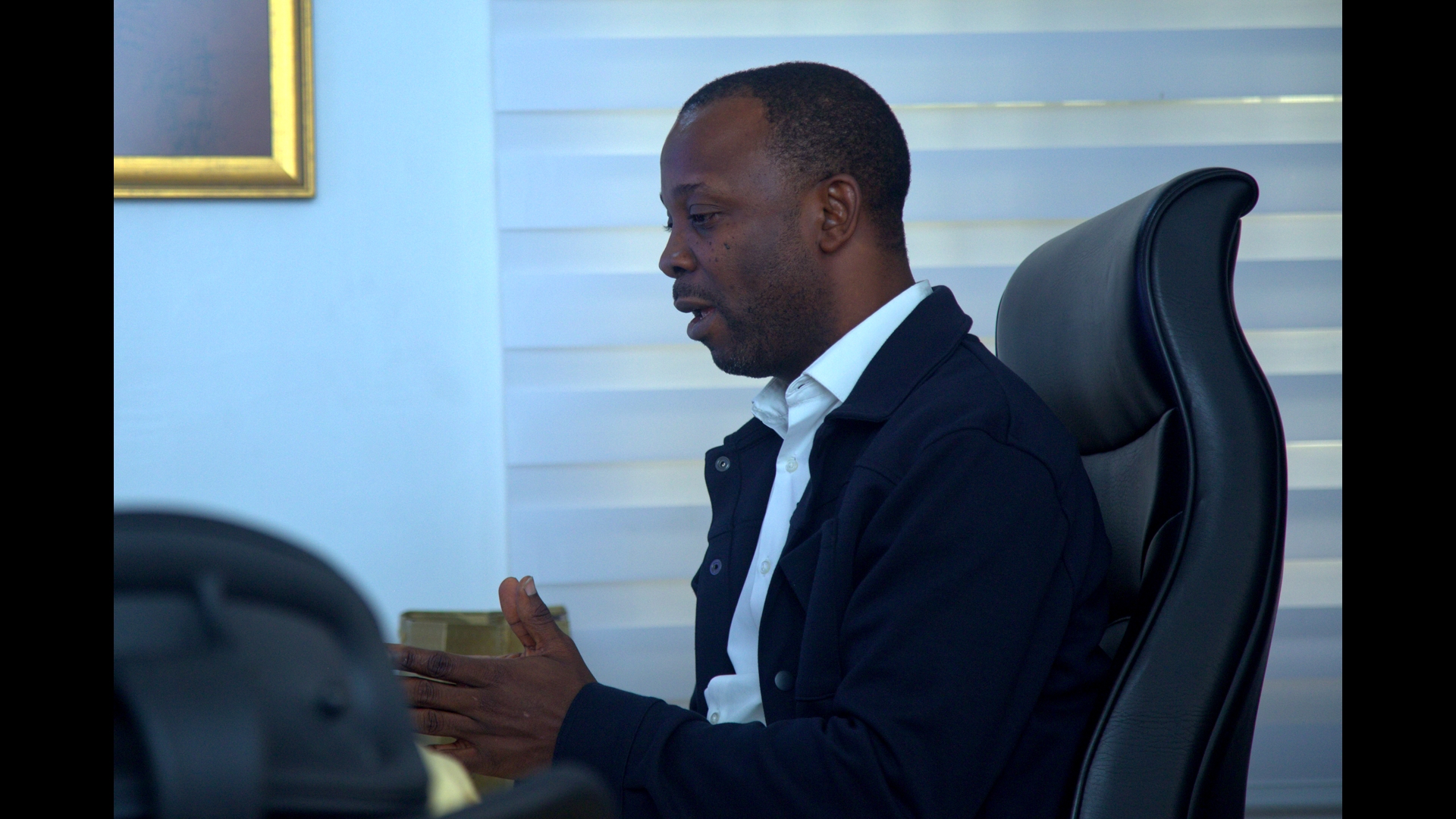
Nigeria’s reform efforts are being weakened by a lack of reliable data, according to the Country Director of Dataphyte, Oluseyi Olufemi, who spoke at the unveiling of the Nigerian Economic Society’s 2026 Economic Outlook in Abuja on March 31, 2026. Mr Olufemi argued that while the country has implemented major monetary and fiscal reforms, it lacks the “critical intelligence” needed to design policies and subsidies that effectively reach vulnerable populations.
The event, chaired by former Acting Governor of the Central Bank of Nigeria, Dr Sarah Alade, brought together the Director-General of the World Trade Organisation, Dr Ngozi Okonjo-Iweala; the Country Representative of the International Monetary Fund, Dr Christian Ebeke; the Country Representative of the World Bank in Nigeria, Mr Matthew Verghis; the President of the Association of Capital Market Academics of Nigeria, Prof Uche Uwaleke; the Executive Director of the Centre for the Study of African Economies, Dr Chukwuka Onyekwena; and Dr Yusuf Bulus, representing the Governor of the Central Bank of Nigeria, alongside members of the Nigerian Economic Society and other key stakeholders.
The NES 2026 Economic Outlook acknowledges that Nigeria’s 2025 economic experience reflects both the costs and necessity of recent reforms. While these reforms are beginning to correct long-standing distortions, the outlook for 2026 remains cautiously optimistic, hinging on policy discipline, coordination, and sustained commitment to implementation.
Mr Olufemi, during his panel session also noted that policy attention remains largely on macroeconomic indicators and firm-level outcomes, with little focus on individuals. Key issues such as food inflation, unemployment, poverty, and healthcare remain insufficiently addressed. He questioned the effectiveness of subsidy frameworks in the absence of accurate data, particularly for groups such as smallholder farmers, warning that poorly targeted interventions risk overlooking those most in need.
Other panellists echoed concerns about the design and implementation of reform. While acknowledging that subsidies must be affordable and sustainable, they stressed the need for targeted, time-bound support, especially in sectors such as agriculture, as well as clearer strategies to cushion the impact of reforms. It was also stated that although Nigeria’s debt remains within acceptable thresholds and the capital market has shown resilience, sustaining stability will require stronger coordination and execution.
Global Trade Reset and Implications for Nigeria
In a fireside chat, the Director-General of the World Trade Organisation, Dr Ngozi Okonjo-Iweala, described the current moment as a fundamental turning point in global trade, noting that the scale of disruption being witnessed is the most significant in about 80 years.
She explained that the traditional global trade order is undergoing irreversible change, with services, particularly digitally delivered services, now growing faster than goods trade. At the same time, she pointed out that high production costs and weak infrastructure continue to undermine Nigeria’s competitiveness.
She stressed that for Nigeria and the broader African continent to remain relevant in this shifting landscape, there must be a deliberate focus on lowering production costs to attract investment, improving infrastructure, cutting bureaucratic bottlenecks, strengthening intra-African trade and regional connectivity, and moving up the value chain by adding value to exports rather than relying on raw commodities.
Across the discussions, a consistent concern emerged that Nigeria’s reforms are not yet delivering tangible improvements in living standards. Without a stronger microeconomic focus and better data to guide policy, the gains from ongoing reforms risk remaining out of reach for many Nigerians.