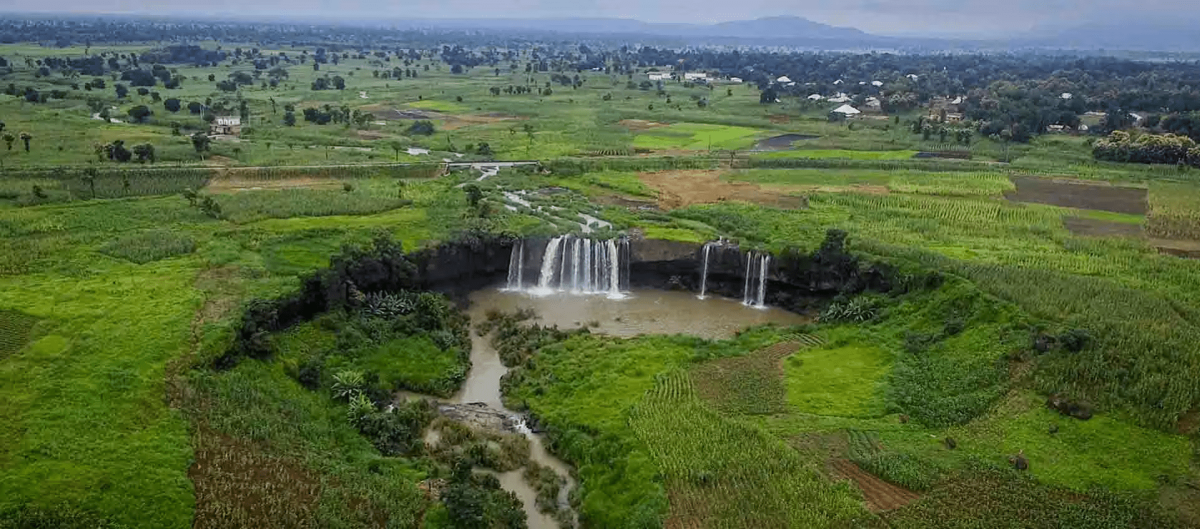
Nigeria, despite its vast ecological wealth, from the mangrove swamps of the Niger Delta to savannah woodlands and rich forest belts, is floundering on the global stage of biodiversity conservation.
According to the 2024 Nature Conservation Index (NCI), compiled by BioDB, Nigeria scored 50.37 out of 100, placing it 152nd out of 180 countries. This low ranking signals deep structural problems, such as the shrinking of habitats, degradation, weakness in law enforcement, and unstructured planning for the future.
However, historical environmental performance indicators show a long‑term pattern of ecological strain. For instance, Nigeria’s Environmental Performance Index (EPI) score rose modestly from 28.32/100 in 2022 to 37.9/100 in 2024, and this still places Nigeria near the bottom globally, reflecting ongoing threats to ecosystems and biodiversity.
Also, the 2024 Global Commons Stewardship Index (GCSI), a platform that quantifies biodiversity trends (including habitat loss and species pressures), shows a continued biodiversity pressure, with high terrestrial and marine loss scores, signalling that biodiversity decline remains a major challenge for Nigeria’s sustainability and human well‑being.
The NCI aggregates performance across four pillars: land management, threats to biodiversity, capacity & governance, and future trends, with each drawing on multiple indicators.
On land management, the country scored 45/100 (141st globally), reflecting deep structural gaps. Nigeria achieves a perfect score for the ecological representativeness of its terrestrial protected areas, meaning the protected zones capture key ecosystem types. Every other indicator signals weakness: no marine protected areas, extremely low sustainable pesticide-use practices (8/100), modest soil-pollution control (36/100), and poorly connected habitats (53/100). These patterns show a conservation system strong on paper but weak in implementation and reach, especially offshore.
Under Threats to Biodiversity, Nigeria scored 63/100, with threatened terrestrial species relatively well represented in protected areas (88/100). Yet species with declining populations fare poorly; terrestrial species scored 32/100, and marine species 0/100, indicating severe pressure on coastal and aquatic ecosystems.
Nigeria also records extremely high invasive species pressure (98/100). In Capacity & Governance, the country scored 50/100, which places it among the world’s weakest performers (around 170th). Also, on Future Trends, Nigeria scores 44/100, signalling limited preparedness for climate impacts, ecosystem restoration, and long-term ecological resilience, a warning that without strategic reforms, biodiversity decline may accelerate in the years ahead. Despite high management and full ratification of major biodiversity treaties- the Convention on Biological Diversity (CBD), and the Convention on International Trade in Endangered Species of Wild Fauna and Flora (CITES), enforcement, political stability, corruption control, and overall conservation culture remain critically low (21–30/100).
To unearth underlying factors and emerging issues around these intersecting challenges, Dataphyte Foundation commissioned 10 investigative journalists to produce data-driven biodiversity stories across four geopolitical zones, covering Kano, Sokoto, Rivers, Ogun, Abuja, Edo, and Cross River. Their reporting reveals not only the scale of environmental degradation but also the human faces behind the statistics: farmers, forest communities, women processors, youth groups, and local conservation champions.
What emerged is a sweeping but deeply nuanced portrait of Nigeria’s ecosystems, under pressure, yet not without hope.
Why These Stories Matter
Nigeria’s geographical diversity encompasses various climatic and ecological zones, ranging from semi-arid savannas to lush mountain forests, extensive seasonal floodplains, and diverse coastal landscapes, including Africa’s largest expanse of mangroves in the Niger Delta. This rich landscape, combined with variable climatic conditions, has endowed Nigeria with abundant flora and fauna, establishing it as a biodiversity hotspot in Africa.
Beyond ecological richness, biodiversity is deeply intertwined with livelihoods and survival for many Nigerians, providing essential services such as climate regulation, food and medicinal resources, and energy sources like firewood, particularly in rural areas. Additionally, Nigeria’s growing tourism industry heavily relies on its diverse ecosystems for recreational activities, highlighting the significance of biodiversity beyond ecological value.
Nigeria sits at the heart of the Gulf of Guinea biodiversity hotspot, home to endangered species, sacred forests, and fragile wetlands. Yet the country loses over 350,000 hectares of forest each year, while pollution, poaching, and weak enforcement undermine conservation gains.
These stories matter because:
They show how poverty, unemployment, and insecurity intersect with biodiversity loss.
They reveal the failures and gaps in environmental governance.
They document community-led responses that are working, even where the state falls short.
They demonstrate the urgent need for data-driven conservation policy.
Each fellow identified a critical biodiversity challenge in their region; collected data, community testimonies, and expert insights; documented the human impact, tracing how environmental decline affects livelihoods, food security, culture, and local economies; and examined the policy failures, enforcement gaps, and systemic drivers behind each issue to ensure each of those investigative stories was brought to life.
Below is a consolidation of their findings. The table summarises each of the 10 investigations, highlighting platforms, locations, issues identified, core insights, and includes a link to the original story for easy access.
Ten Stories, Ten Crises: Fellows Spotlight Nigeria’s Threatened Ecosystems
These stories reveal a biodiversity crisis shaped not by a single factor but a complex web of economic pressures, environmental mismanagement, cultural practices, weak regulation, and security operations.
In all of these, three overarching patterns stand out, including;
1. Poverty and Unemployment are Major Drivers of Ecological Destruction: Across Rivers, Ogun, Sokoto, and Abuja, biodiversity loss is deeply tied to survival decisions. Communities clear forests, harvest wildlife, or engage in poaching, not out of greed but because they see little other option. Without economic alternatives, natural resources become the only accessible income source.
2. Environmental Governance is Fragmented and Often Ineffective: From unregulated logging in Abuja to unmitigated oil pollution in Ogale, enforcement of environmental laws is inconsistent or absent. Policies exist, but a lack of political will, funding, and accountability undermines their implementation. Illegal exploitation, land grabbing, and pollution continue unchecked, eroding ecosystems and community trust.
3. Community-Led Conservation Works, and Must Be Scaled: Case studies from Cross River’s Ekuri Forest and Edo’s Okomu National Park demonstrate that when communities are empowered and organised, they can effectively defend biodiversity. Volunteer rangers, traditional governance structures, and collaborative park-community management have preserved forests that otherwise would have fallen. These grassroots efforts show the potential for bottom-up conservation in Nigeria, and the need for support, recognition, and scaling.
Comparative position: Global, Africa, West Africa (NCI 2024 context)
Nigeria's Position in the Global Ranking The NCI 2024 global top is different from Nigeria’s position. The Top-10 countries (Luxembourg, Estonia, Denmark, Finland, UK, Zimbabwe, Australia, Switzerland, Romania, Costa Rica) all score in the mid-60s to low-70s, reflecting strong land management, governance or protected-area outcomes. Nigeria sits at rank 152 / 180 (score 50.37), far below global leaders and well outside the index median, indicating that while the country may show pockets of achievement (notably terrestrial ecosystem representativeness), overall performance is far from global best practice.
Nigeria's Position Among Other African Countries
In Africa, Nigeria’s biodiversity performance is well below the continental leaders. Zimbabwe tops the continent with a score of 65.9 (rank 6 globally), followed closely by Lesotho (63.52) and Botswana (63.3), reflecting strong protected-area networks, enforcement, and governance. Other high-performing African countries, including South Africa (61.7), Gabon (60.14), Tanzania (60.11), and Mozambique (58.7), combine relatively intact habitats with better institutional capacity to manage threats and maintain ecosystem health.
Nigeria, by contrast, sits at rank 37 in Africa (score 50.37, global rank 152/180), placing it in the lower tier of the continent. This gap highlights significant deficiencies in governance, enforcement, and management of terrestrial and marine ecosystems. While countries like Namibia (57.19) and Uganda (57.18) show moderate performance through effective land management and conservation policies, Nigeria’s low score signals critical vulnerabilities: poorly managed habitats, negligible marine protected areas, high invasive species pressure, and limited capacity to enforce existing environmental laws.
This shows that there is an urgent need for Nigeria to strengthen institutional capacity, expand and connect protected areas, and tackle threats such as overfishing, habitat fragmentation, and pollution. Without targeted interventions, Nigeria risks further decline relative to regional peers already making measurable conservation gains.
What This Means for Nigeria
The findings of the investigations point to urgent intervention needed to address the intense pressure the country's natural capital is under. These range from habitat fragmentation, unsustainable agriculture (heavy pesticide use, soil degradation), rampant deforestation, overfishing, invasive species, and poor enforcement.
The most alarming is the total lack of marine protected areas, leaving coastal ecosystems, mangroves and fisheries vulnerable. Given that the Niger Delta hosts some of Africa’s largest mangroves, critical for coastal protection, fish nurseries, carbon sequestration, and livelihoods, this gap puts both biodiversity and communities at risk.
Despite the country having laws and policies, and even ratified international treaties, the institutional weakness, poor enforcement, corruption and low public engagement undercut the impact. Nigeria has the framework, but not the follow-through.
This shows there’s a need for the following:
Strengthen enforcement of protected areas, logging laws, wildlife trade regulations, and pollution controls.
Provide alternative livelihoods, especially for youth, to reduce dependency on forest exploitation.
Support and formalise community forest governance and ranger schemes, recognising their crucial role.
Improve environmental data systems, mapping forests, wildlife populations, pollution levels, and ecosystem health.
Hold polluters accountable, especially in oil-rich regions, with transparent clean-up, environmental restoration, and community compensation.
Data, Communities, and a Chance to Rewrite the Future
This project demonstrates the power of journalism, especially data-driven reporting, to illuminate blind spots in environmental governance and amplify the voices of affected communities. These stories remind us that biodiversity is not just about animals or forests; it is about people, culture, survival, and justice. If current trends continue, species losses, especially marine and freshwater, may accelerate. Also, the data shows that Nigeria is not starting from zero; there is a need for focus, capacity, enforcement, and long-term vision.
These findings point to clear intervention areas to improve the country’s biodiversity space, including the establishment and enforcement of marine protected areas; reforming of agricultural and land-use practices; strengthening of governance and enforcement; investment in long-term resilience; and building conservation awareness.
Nigeria stands at a crossroads, especially with the NCI 2024, which shows how weak our conservation performance is. For the sake of people, climate, and nature, stakeholders, including government, civil society, the private sector, and communities, must step up.